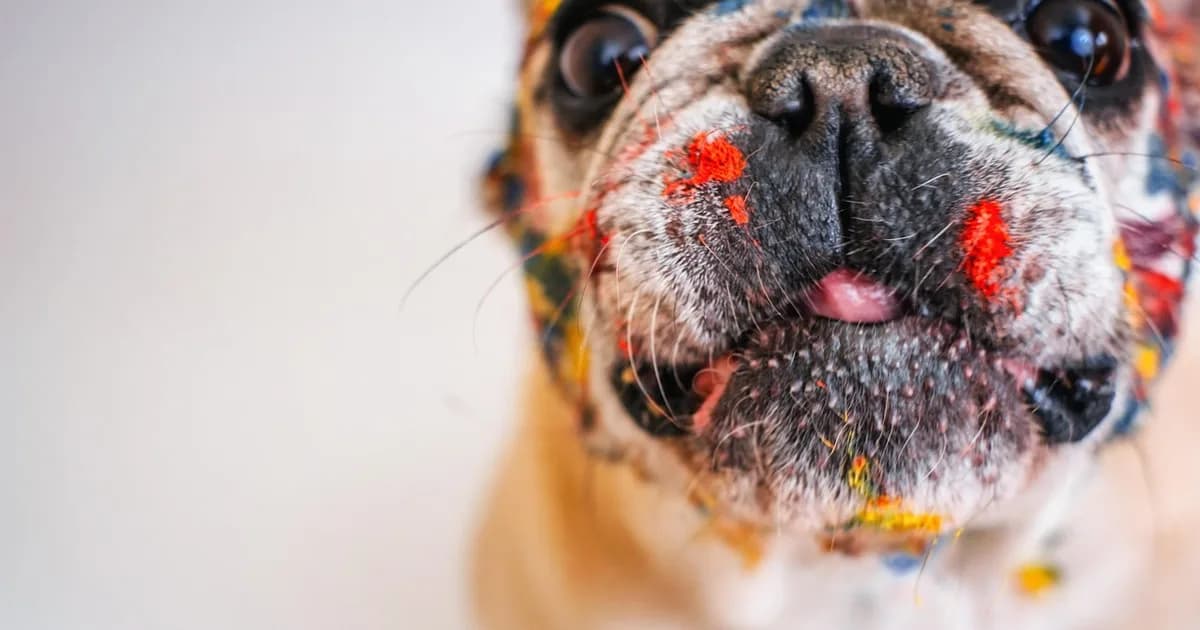
French Bulldogs, Pugs, English Bulldogs, Boston Terriers, Persian cats, and other brachycephalic (flat-faced) pets are permitted in Singapore under AVS requirements. There is no AVS-level prohibition on snub-nosed breeds. The complications come from the airlines, not from Singapore's import rules.
Most carriers impose their own restrictions on brachycephalic breeds due to the health risks associated with air travel at altitude. Those restrictions vary significantly between airlines and routes, and they need to be checked before you commit to a travel date.
Singapore's Position on Brachycephalic Breeds
AVS does not prohibit brachycephalic breeds from import. The Singapore prohibited breed list covers specific dangerous dog types (Pit Bull types, Akita, Boerboel, Dogo Argentino, Fila Brasileiro, Neapolitan Mastiff, Tosa, Perro de Presa Canario) and certain exotic cat breeds (Bengal, Savannah). Flat-faced breeds are not on this list.
However, AVS does note that brachycephalic breeds may face additional requirements at the airline level, specifically a fitness certificate from a licensed veterinarian confirming the animal is fit for air travel. This is typically required by carriers before they will accept a flat-faced animal for transport.
Your Singapore import process (microchip, titre test if required, import licence, health certificate, CAPQ clearance) proceeds the same way regardless of breed. The brachycephalic complications are about getting your pet onto the plane, not about getting them into Singapore.
Why Airlines Restrict Brachycephalic Breeds
Flat-faced breeds have a shortened nasal passage and compromised airways. In the pressurised, low-humidity environment of an aircraft hold, they are at elevated risk of:
- Respiratory distress
- Overheating
- Inadequate oxygen uptake
Airlines have responded to a history of in-flight deaths and near-misses by imposing breed-specific restrictions. These range from requiring a fitness certificate to outright bans on certain routes, seasons, or aircraft types.
What Restrictions Look Like by Airline
Airline policies change frequently. The following is a general guide as of 2026, but always confirm directly with your airline's cargo or live animal desk before making any plans:
Singapore Airlines: Has published restrictions on snub-nosed breeds for cargo transport. Flat-faced breeds are subject to individual assessment and may require a fitness certificate. In-cabin is not offered for pets on most SIA routes. Contact SIA Cargo directly.
Qantas: Has restrictions on brachycephalic breeds for both in-cabin (where permitted) and hold travel. Seasonal embargoes apply for summer travel on Australian routes. Confirm with Qantas Freight.
British Airways: Does not carry pets in-cabin. BA Cargo carries pets as unaccompanied cargo with breed restrictions for snub-nosed animals. Fitness certificates required.
Emirates: Has restrictions on snub-nosed breeds in their cargo service (SkyCargo). Confirm before booking.
Budget carriers (Scoot, AirAsia, Jetstar): Most low-cost carriers on Southeast Asian routes do not carry pets at all, or carry only very small pets in-cabin. Brachycephalic breeds are typically not accepted.
General pattern: The more humid or hot the season and the longer the flight, the stricter the restrictions on flat-faced breeds. Short-haul cooler-season routes tend to have more flexibility.
What a Fitness Certificate Involves
Most airlines that do accept brachycephalic breeds require a fitness certificate from a licensed veterinarian. This is a separate document from the official Veterinary Health Certificate required by Singapore.
The fitness certificate typically states:
- Your pet's identification (microchip number, breed, age, sex)
- That the vet has examined the animal and assessed it as physically capable of tolerating air travel
- Any relevant health conditions the carrier should be aware of
The certificate may have a limited validity period (often 10 to 14 days). Book the vet appointment close to your travel date. Your CAPQ agent can advise on timing relative to other documentation requirements.
Not all vets will issue fitness certificates for brachycephalic breeds. Some vets will decline if they believe the animal is at genuine risk. A declined fitness certificate means the airline will not accept the animal. If this happens, you need to reconsider the travel plan.
Routes and Climate Considerations
Beyond airline restrictions, the climate on both ends of the journey matters for brachycephalic pets.
Singapore is hot and humid year-round (28 to 34 degrees Celsius, high humidity). Flat-faced pets are more susceptible to heat stress than long-nosed breeds. Once your pet arrives, acclimatisation takes time. Make sure your home is well air-conditioned, avoid outdoor exercise during midday heat, and plan arrival for a cooler time of day if possible.
For the journey itself, flights arriving in the early morning in Singapore avoid the hottest part of the day for transfer and transport from CAPQ.
Step-by-Step for Brachycephalic Pet Owners
-
Confirm your breed is not prohibited. Check the AVS prohibited breed list. If your pet is a French Bulldog, Pug, Persian, Shih Tzu, or similar, they are permitted.
-
Determine your import schedule. Your import requirements (titre test, waiting periods, health certificate) are the same as for any other pet from your origin country. See the relevant guide: Australia, USA, UK.
-
Contact your airline's live animal or cargo desk directly. Do not rely on the booking website. Ask specifically: does this route accept brachycephalic breeds, what documentation is needed, and whether there are seasonal restrictions.
-
Book a fitness certificate appointment. Once you have confirmed the airline will accept your pet, arrange a fitness certificate with your vet timed close to your travel date.
-
Appoint your CAPQ agent. From April 2026, all CAPQ clearances require an AVS-recognised agent. Your agent handles the Singapore import documentation and CAPQ clearance.
-
Plan your flight timing. Early morning arrivals in Singapore work well for CAPQ clearance and avoid peak heat.
Frequently Asked Questions
Is there a specific airline that reliably accepts French Bulldogs on routes to Singapore? Airline policies change and vary by route, season, and aircraft type. There is no single reliable answer that applies across all routes. Contact each airline's cargo desk directly for your specific route and travel period.
My vet says my Pug is healthy. Does that guarantee an airline will accept them? A clean bill of health helps but does not guarantee acceptance. Airlines set their own criteria and some have blanket restrictions regardless of individual health status. A fitness certificate from your vet is typically required, but individual airline decisions are final.
Can I sedate my brachycephalic dog for the flight? Most vets and airlines advise against sedating animals for air travel. Sedation can suppress respiratory function, which is particularly dangerous for brachycephalic breeds that are already compromised. Some airlines will not accept sedated animals. Discuss this with your vet and airline directly.
My French Bulldog travels well by car. Does that mean flying is safe? Car and plane environments are very different. The pressurised, low-humidity, low-oxygen conditions in an aircraft hold are more stressful than road travel for snub-nosed breeds. Car tolerance does not predict flight tolerance.
Importing a brachycephalic dog or cat to Singapore? Contact our team for help navigating the airline requirements and CAPQ clearance process.
Source: Animal and Veterinary Service (AVS). Airline policies are set by individual carriers and subject to change. Confirm directly with your airline before booking.