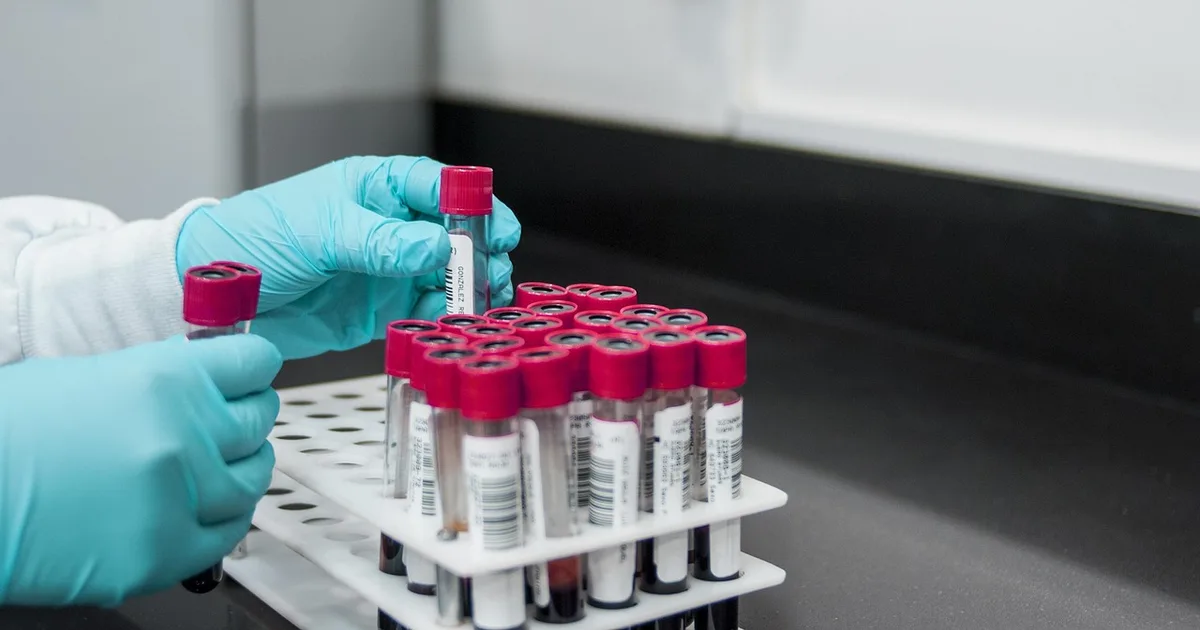
The rabies titre test is one of the most time-sensitive requirements for bringing your cat from Malaysia to Singapore, and the one most likely to delay your move if you misread the timing rules. Malaysia is classified as a Schedule III country under Singapore's Animal & Veterinary Service (AVS) framework, which means the titre test is mandatory for every cat, regardless of vaccination history.
This guide explains exactly what the test measures, the timing rules you cannot get wrong, where to get tested in Malaysia, what a passing result looks like, and what happens if your cat doesn't pass.
What the Titre Test Measures
The rabies titre test, formally known as the Fluorescent Antibody Virus Neutralisation (FAVN) test or Rapid Fluorescent Focus Inhibition Test (RFFIT), measures the concentration of rabies-neutralising antibodies in your cat's blood. Singapore uses this test to verify that your cat's immune system has built sufficient protection against rabies before entry.
The result is expressed in International Units per millilitre (IU/mL). Singapore's minimum passing threshold is ≥0.5 IU/mL.
A result below 0.5 IU/mL does not automatically mean your cat has rabies. It means the antibody level is not high enough for Singapore's entry standard. In this case, your cat needs a booster vaccination and must wait before re-testing.
Why Malaysia Requires This Test
Singapore maintains a rabies-free status. Malaysia, despite being a close neighbour, is classified as Schedule III under AVS rules, meaning it carries an elevated rabies risk profile compared to countries on Schedule I or II. For Schedule III imports, a titre test is mandatory:
| Schedule | Countries | Titre Test Required? |
|---|---|---|
| Schedule I | Australia, New Zealand, UK | No |
| Schedule II | USA, Japan, most of Western Europe | Yes |
| Schedule III | Malaysia, Indonesia, Thailand, Philippines, India | Yes, mandatory |
There are no exemptions. Even if your cat has been vaccinated every year for a decade, a titre test with a confirmed ≥0.5 IU/mL result taken within the valid window is required.
The Three Timing Rules
The timing of the titre test is the most common source of errors for cat owners planning a Malaysia–Singapore move. There are three interdependent rules:
Rule 1: Blood draw must be ≥28 days after rabies vaccination
The immune system needs time to produce measurable antibodies after vaccination. AVS requires that blood for the titre test is drawn at least 28 days after the most recent valid rabies vaccination. Drawing blood earlier than this will likely produce an insufficient titre result, requiring you to restart the 90-day waiting period.
Rule 2: A 90-day waiting period begins from the blood draw date
Once your cat's blood is drawn, a 90-day wait begins, regardless of when the titre result comes back. Your cat cannot enter Singapore before 90 days from the date of blood sampling have elapsed.
This is the rule most owners miscalculate. The 90-day period starts from the blood draw date, not the test result date, not the vaccination date.
Rule 3: Blood must be drawn no more than 12 months before the export date
The titre test result has a validity window. The blood sample must have been drawn no more than 12 months before your cat's export date from Malaysia. If your cat had a titre test 13 months ago for a different purpose, it cannot be used for this import.
The combined minimum timeline:
| Step | Minimum Wait |
|---|---|
| Vaccinate → blood draw | 28 days |
| Blood draw → earliest Singapore arrival | 90 days |
| Total minimum from vaccination | ~118 days (≈4 months) |
Approved Laboratories in Malaysia
The titre test must be performed at a WOAH Reference Laboratory for Rabies or an AVS-approved testing facility. Sending blood to a non-approved lab will result in the result being rejected by AVS.
Approved laboratories currently used for cats coming from Malaysia include:
- Universiti Putra Malaysia (UPM), Faculty of Veterinary Medicine, Serdang, Selangor. A WOAH-accredited reference lab for rabies, widely used for Malaysia-to-Singapore imports.
- IDEXX Laboratories, Singapore office accepts samples from Malaysia; results sent electronically.
- Antech Diagnostics, another option accepted by AVS; confirm current approval status before submitting samples.
Always verify the laboratory's current AVS approval status at avs.nparks.gov.sg before drawing blood. Laboratory approval status can change.
For the full current list of AVS-approved labs, see our AVS-approved titre test labs guide.
The Testing Process: Step by Step
1. Vaccination Your cat receives a rabies vaccination from a licensed vet. The vaccination date and batch number are recorded on the vaccination certificate. The microchip number must also appear on this certificate.
2. Wait 28 days Allow at least 28 days before drawing blood. If you need to catch a moving deadline, do not draw blood before this minimum has elapsed, a failed titre result from a premature draw restarts your 90-day wait.
3. Blood draw Your vet draws a blood sample (typically 3–5ml for cats). The blood is centrifuged to obtain serum. The sample is then shipped to the approved laboratory with your cat's details, microchip number, and the requesting vet's information.
4. Laboratory testing The FAVN or RFFIT test is conducted. Turnaround times vary: UPM typically returns results in 10–14 working days. IDEXX and Antech may return results faster. Factor in shipping time to and from the lab when calculating your timeline.
5. Result issued You receive a titre certificate showing: your cat's name, microchip number, blood draw date, test date, result in IU/mL, and the laboratory details. Keep this document. It forms part of your import documentation set.
What a Passing Result Looks Like
A valid titre test certificate must show:
- Result ≥0.5 IU/mL (e.g. 1.2 IU/mL, 3.5 IU/mL, higher is fine)
- Blood draw date clearly stated
- Your cat's microchip number matching all other documents
- Laboratory name and WOAH/AVS approval reference
- Vet's name and signature who drew the blood
What Happens If Your Cat Fails
A result below 0.5 IU/mL means:
- Administer a booster rabies vaccination immediately
- Wait 28 days before re-drawing blood
- A new 90-day waiting period begins from the re-draw date
- Re-test and confirm ≥0.5 IU/mL
Most cats that fail the initial test are successfully re-tested after a booster. Persistent low-titre results are uncommon in cats but should be discussed with your vet about vaccination protocol.
There is no appeal mechanism to AVS for a failed titre test, the result must meet the threshold before the import can proceed.
Titre Test and the Full Documentation Set
The titre test certificate is one part of the full import documentation required by AVS. It must be accompanied by:
- AVS Import Licence (applied for ≥21 business days before arrival)
- ISO 11784/11785 microchip records
- Rabies vaccination certificate
- Veterinary Health Certificate from Malaysian DVS-accredited vet (issued ≤7 days before travel)
- AQC quarantine booking confirmation
- CAPQ inspection appointment confirmation
For the complete overview, see how to bring a cat from Malaysia to Singapore.
Titre Test Costs in Malaysia
Costs vary by laboratory and veterinary practice:
| Item | Estimated Cost (MYR) |
|---|---|
| Blood draw at vet clinic | MYR 80–150 |
| Titre test at UPM | MYR 200–350 |
| Titre test at international lab (IDEXX) | MYR 300–500 |
| Courier from your city to lab | MYR 30–80 |
These are estimates. Confirm current pricing directly with the laboratory and your vet clinic.
Key Mistakes to Avoid
Drawing blood too early. The most costly mistake. If you draw blood at day 20 post-vaccination and the result is below threshold, you've lost 20 days and now restart a fresh 90-day wait from the correct re-draw date.
Counting the 90-day wait from the result date. The clock starts on the day of blood sampling. A test that takes two weeks to return results does not add two weeks to your wait, the 90 days were already running.
Using a non-approved lab. AVS will reject the result. There is no appeal. You must re-test at an approved laboratory.
Letting the test expire. The 12-month validity from blood draw date is easy to forget if you test early. If your move is delayed past 12 months from the draw date, you need a new test.
How Pawsport Express Helps with the Titre Test
Our team tracks every timing milestone for your cat's import from Malaysia. We confirm laboratory approval status, calculate the exact blood draw window, and alert you to schedule the test at the right time. If you're unsure whether your cat's existing titre result is still valid or was drawn at the right interval, we review the documentation before you apply for the AVS licence.
Get in touch to discuss your cat's import timeline.
The titre test is the step that most often resets a Schedule III timeline. Our Singapore pet import service verifies your lab before you test, then handles the licence and CAPQ clearance.
Requirements are based on AVS guidelines as of May 2026. Always verify current laboratory approval status and timing requirements directly at avs.nparks.gov.sg before testing.