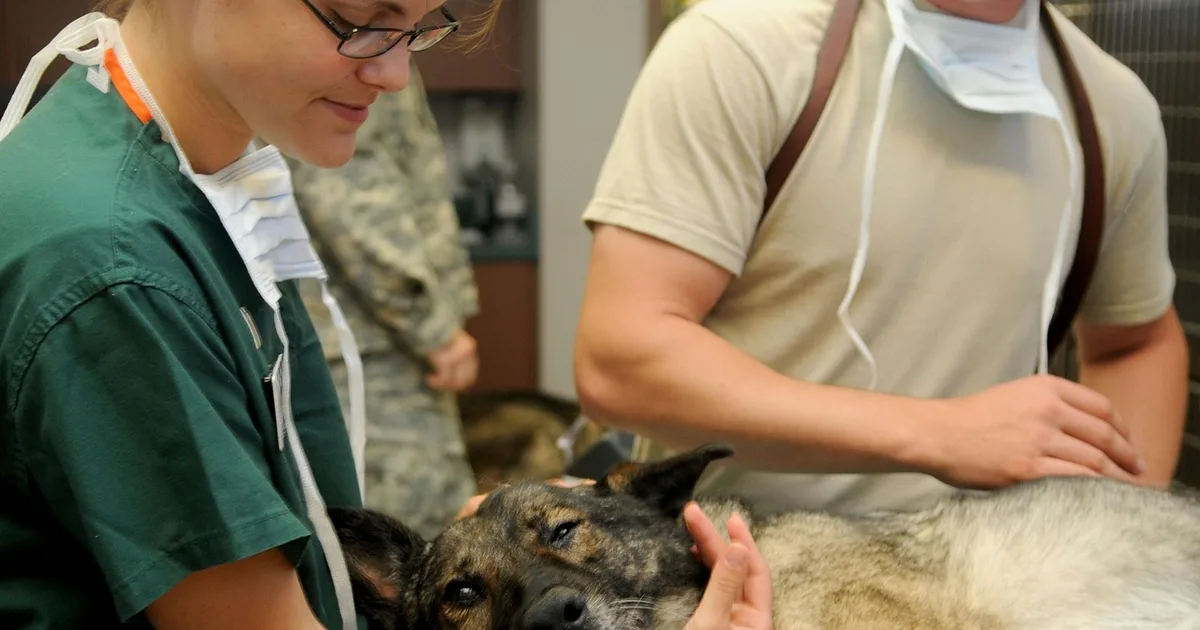
Microchipping is mandatory for all dogs and cats in Singapore. For dogs, it has been a licensing requirement for years. For cats, microchipping became mandatory in September 2024 when the new cat licensing scheme launched. For imported pets, the microchip must also meet a specific international standard, and it must be implanted before any vaccinations are recorded.
This guide covers the ISO standard required, who can implant the chip, how much it costs, and what happens after implantation.
All requirements on this page are sourced from official AVS/NParks information at avs.nparks.gov.sg. Verify current guidelines before proceeding.
The ISO Standard Required
Singapore requires microchips that comply with ISO standard 11784/11785. This standard specifies a 15-digit identification code transmitted at 134.2 kHz.
Chips that do not comply with this standard, including older 9-digit or 10-digit chips used in some countries, may not be readable by Singapore's standard CAPQ scanners.
If your pet was microchipped overseas and you are not sure of the chip type, ask your vet to provide the chip number and confirm the standard. A 15-digit number is generally indicative of ISO compliance.
Who Can Microchip Your Pet in Singapore
Only licensed veterinarians at registered veterinary clinics can implant microchips in Singapore. You cannot microchip a pet at a pet shop, groomer, or shelter without a vet on staff.
For pets being imported: the chip should be implanted in the origin country by a licensed vet there, before any vaccinations begin. Singapore accepts ISO-compliant chips implanted abroad. There is no need to re-chip your pet in Singapore if the chip is already ISO 11784/11785 compliant.
Cost
The government does not set a fixed fee for microchipping. At private veterinary clinics in Singapore, the cost is typically S$50 to S$80 for the implantation procedure. Some clinics include registration in this fee; others charge separately.
For pets already living in Singapore that need to be microchipped for licensing compliance, consult your regular vet for their current pricing.
Microchipping for Importing Pets
If you are importing a dog or cat to Singapore from a Schedule II or Schedule III country, the microchip implantation must happen before the rabies vaccination is given. The chip number is used to link the vaccination record to the titre test result and the health certificate. If the chip was implanted after the vaccination, the titre test result cannot be tied to the correct animal with confidence, and the entire titre test sequence may need to be repeated.
The sequence for Schedule II and III imports:
| Order | Step |
|---|---|
| 1 | Microchip implanted |
| 2 | Microchip verified as readable by vet |
| 3 | Rabies vaccination administered (chip number recorded on cert) |
| 4 | Blood draw for titre test (minimum 28 days after vaccination) |
| 5 | Titre test result issued with chip number |
For Schedule I imports (Australia, NZ, UK, Ireland), a microchip is still required but the titre test sequence does not apply.
Registering the Microchip in PALS
After microchipping, the chip must be registered in Singapore's PALS system (pals.avs.gov.sg). For newly-imported pets, this typically happens as part of the post-arrival licence application process.
For pets microchipped in Singapore, registration should happen within a short period after implantation. Confirm the current registration timeline with AVS.
Microchip registration is linked to the PALS licence application. You cannot apply for a dog or cat licence without first registering the microchip.
If Your Pet Has a Non-ISO Chip
If your pet was previously microchipped with a non-ISO chip (common in some countries that historically used different standards):
Option 1: Re-chip. A new ISO-compliant chip can be implanted in a different location. The old chip remains in the animal and both numbers are documented.
Option 2: Verify scanner compatibility. Some countries' chips can be read by universal scanners that Singapore's CAPQ may or may not have. Contact your CAPQ agent before travel to discuss whether the existing chip is likely to be accepted.
For import purposes, Option 1 is the safer choice if there is any doubt. A chip that cannot be read at CAPQ halts the clearance process.
Microchip Requirements for Cat Licensing (September 2024 onwards)
From 1 September 2024, all cats in Singapore must be microchipped and licensed via PALS. This applies to:
- Cats already living in Singapore
- Cats being imported to Singapore
- Cats adopted from local shelters or AWGs
Bengal cats and Savannah cats cannot be licensed or kept in Singapore. These breeds are prohibited from import and ownership.
For existing cat owners who had not previously microchipped their cats: the free licensing transition period runs until 31 August 2026. Microchipping and licensing before this deadline avoids fines of up to S$5,000 for unlicensed cats after the deadline.
Frequently Asked Questions
My pet already has a microchip from overseas. Do I need to get a new one in Singapore? No, if the existing chip is ISO 11784/11785 compliant (15-digit). Bring documentation of the chip number and the chip standard from your origin country vet. Your CAPQ agent can verify compatibility before your pet travels.
Can I microchip my pet at a shelter or AWG adoption centre? If the shelter has a licensed vet on staff, yes. Otherwise, you need to visit a registered veterinary clinic.
My cat is 10 years old and has never been microchipped. Is there any risk with implantation at this age? Microchip implantation is a routine procedure suitable for healthy cats of any age. It involves a small injection under the skin, usually between the shoulder blades. Your vet will advise if there are any individual health considerations.
What happens if my pet's chip migrates from its original location? Chips sometimes migrate from the implantation site. Experienced CAPQ scanners are trained to scan the entire body, not just the standard implantation spot. Inform your agent if you know your pet's chip has migrated.
I want to bring two cats from overseas. Do they need separate chips? Yes. Each animal must have its own unique microchip number. Chip numbers are tied to individual import licences, titre test results, and health certificates.
For help with the Singapore pet import process from microchip to CAPQ clearance, contact our team. Regulated CAPQ clearance is handled via our AVS-recognised licensed partners.
Source: Animal and Veterinary Service (AVS). Verify current requirements before proceeding.