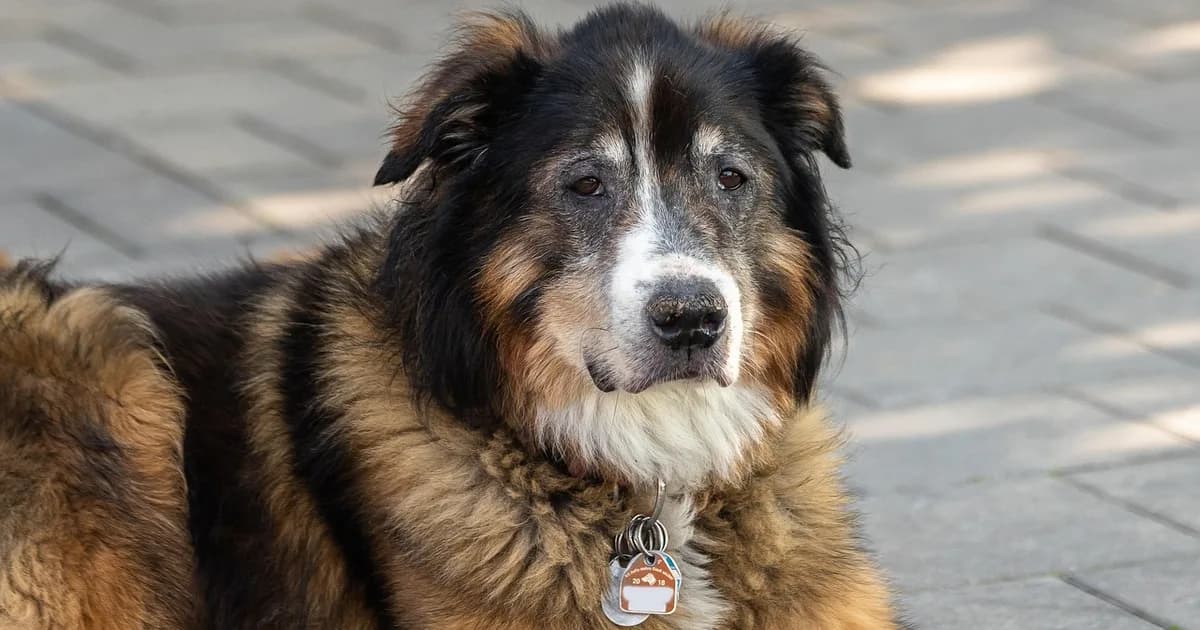
All dogs and cats kept in Singapore must be licensed with the Animal and Veterinary Service (AVS). For dogs, this has been the case for many years. For cats, mandatory licensing took effect on 1 September 2024, ending a long period where cats were not subject to formal registration.
The deadline that matters right now: cat owners who have not yet licensed their cats must do so by 31 August 2026. After that date, keeping an unlicensed cat is an offence carrying fines of up to S$5,000. Licensing is currently free during the transition period.
Who Needs a Licence
Dogs: All dogs aged 3 months and older must be licensed, regardless of breed (provided the breed is not prohibited) or housing type (HDB, condo, or private property).
Cats: All cats kept in Singapore must be licensed as of 1 September 2024. This applies to cats in HDB flats, condominiums, and private homes.
Both licences are managed through the same system: the Pet Animal Licensing System (PALS) at pals.avs.gov.sg.
Before You Apply: Microchip First
A microchip is required before you can apply for a pet licence in Singapore.
For imported pets, the microchip is already part of the import process. For pets acquired locally, arrange microchipping with a licensed veterinarian before starting the licence application. Singapore uses the ISO 11784/11785 standard (15-digit chip, 134.2 kHz).
First-time applicants also need to complete a free online Pet Ownership Responsible Keeper (PORK) course before their licence application will be accepted. The course takes approximately 20 to 30 minutes and is available through the PALS portal.
How to Apply via PALS
- Go to pals.avs.gov.sg
- Log in using SingPass
- Select "Apply for a new licence"
- Enter your pet's microchip number
- Complete the pet details (species, breed, sex, sterilisation status)
- Upload supporting documents if requested
- Complete the PORK course if you have not already done so
- Pay the applicable fee
Payment is accepted via PayNow, credit card, GIRO, or AXS stations.
Licence Fees and Types
Cat licensing is free until 31 August 2026. After this date, standard licence fees apply.
Dog licence fees:
| Sterilisation Status | Licence Type | Fee |
|---|---|---|
| Sterilised | One-year licence | S$15 |
| Sterilised | Two-year licence | S$25 |
| Sterilised | Lifetime licence | S$35 |
| Unsterilised | Annual (renewable) | Higher rate |
A 10% rebate applies for GIRO payments.
Sterilised cats during the transition period (until 31 August 2026): lifetime licence, free. Unsterilised cats: renewable licence, free during the transition. After the transition, standard fees will apply.
If you are unsure whether your cat is recorded as sterilised and do not have a sterilisation certificate, AVS allows owners to self-declare sterilisation status during the current transition period without requiring a certificate. Confirm this provision is still in place at the time of your application.
What the Licence Covers
The licence confirms that your pet is registered with AVS, microchipped, and kept at the registered address. It does not cover veterinary care, third-party liability, or other insurance-type protections. Those require separate pet insurance if you want them.
You must update PALS if:
- Your pet changes ownership
- You move to a new address
- Your pet goes missing
- Your pet dies or is exported
Failing to update these details is a breach of your licensing conditions.
HDB-Specific Considerations
Dogs in HDB: Not all dog breeds are approved for HDB flats. Before applying for a dog licence and registering your HDB address, confirm your breed is on the HDB approved dog breed list. Applying for a licence with an unapproved breed at an HDB address will create compliance issues.
Cats in HDB: Cats became allowed in HDB flats from 1 September 2024, with a maximum of 2 cats per household. Both must be licensed. If you have been keeping cats in an HDB flat before this change, you now need to regularise their status by licensing them before 31 August 2026.
For more detail on HDB pet rules, see our guide to keeping cats in Singapore HDB flats.
The August 2026 Deadline: What Happens If You Miss It
Cat licensing was introduced with a two-year free transition period running from 1 September 2024 to 31 August 2026. This was designed to give all cat owners time to microchip and register their pets.
After 31 August 2026:
- Keeping an unlicensed cat is a legal offence
- Fines of up to S$5,000 apply
- Licensing will no longer be free
If you adopted or imported a cat after 1 September 2024, the same deadline applies. There is no extended grace period for recent acquisitions.
Practical advice: Apply now. The PALS process takes 20 to 30 minutes. The microchipping appointment (if not already done) takes a vet visit. There is no benefit to waiting until August 2026, and the risk of forgetting is real.
Frequently Asked Questions
I imported my dog to Singapore. Does my AVS import licence also serve as the pet licence? No. The import licence and the pet ownership licence are different things. After your pet arrives and is cleared through CAPQ, you need to apply for a separate pet licence via PALS.
My cat is an outdoor cat that does not technically live inside. Does it still need a licence? All cats kept in Singapore must be licensed regardless of whether they are indoor or outdoor. The address registered on the licence should be the primary location where the cat is kept or returns to.
Can I licence multiple pets on one application? Each pet requires a separate licence application, but you can submit them through the same PALS account.
What happens to my pet's licence if I leave Singapore? Cancel the licence via PALS once your pet is exported. For dogs, the dog licence must be cancelled through PALS after the export is complete.
Settled in Singapore with your pet? Make sure your licence is in order. For help with the import process that brought your pet here, see our full Singapore pet import guide.
Licensing comes after arrival. If you are still planning the move itself, see our Singapore pet import service or, for a move to Malaysia, our Singapore to Malaysia land route.
Source: Animal and Veterinary Service (AVS). Confirm current fees and requirements at pals.avs.gov.sg before applying.